
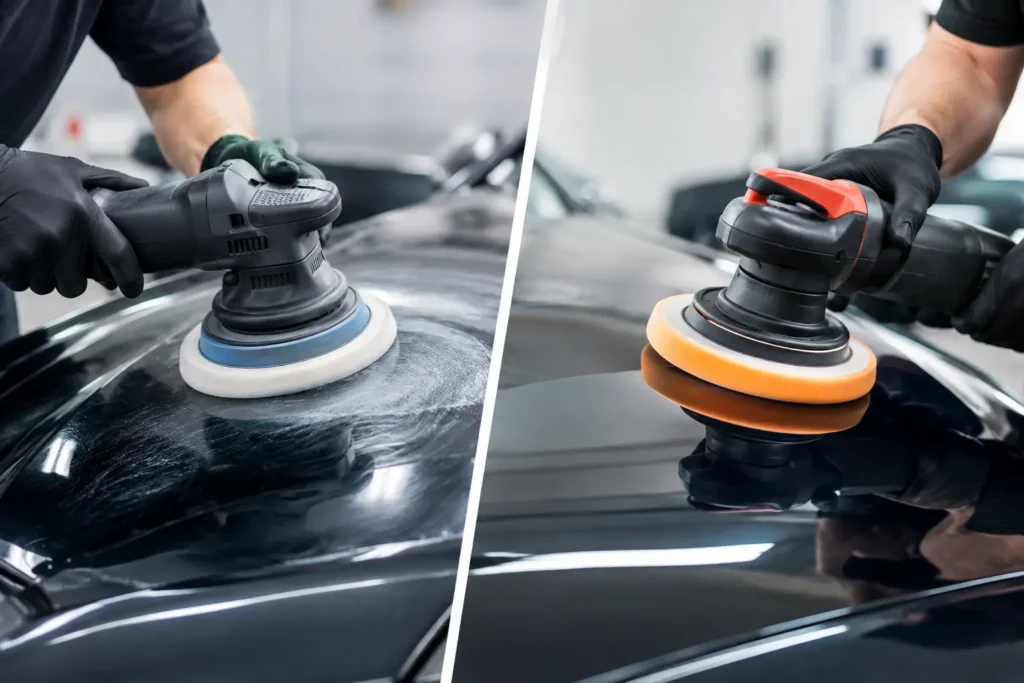
A fresh wash can make a car look dramatically better, but sunlight is less forgiving. Fine swirl marks, hazy patches and light scratches often appear across the bonnet, doors and boot once the paint is clean. That is where the choice between paint correction versus polishing matters. Both services improve shine, yet they achieve it in very different ways – and choosing the right one protects the finish rather than simply making it look better for a short time.
For Sydney drivers, this is especially relevant. Daily traffic, coastal air, summer heat, bird droppings, tree sap and hurried washing habits can all affect paintwork. The right treatment depends on what is actually happening on the surface, how you use the vehicle and the result you want.
Paint correction versus polishing: the key difference
Polishing is primarily about improving gloss, clarity and presentation. It uses a polishing product and machine or hand technique to refine the surface, lift dullness and enhance the depth of the paint. On a well-maintained vehicle with only mild marks, a professional polish can create that smooth, showroom-style shine many owners are after.
Paint correction is a more involved process. It is designed to reduce or remove visible paint defects such as swirl marks, wash marring, oxidation, water-spot etching and some light scratches. A detailer carefully levels a minute amount of the clear coat surrounding a defect so the surface reflects light more evenly.
In simple terms, polishing makes good paint look better. Paint correction aims to make imperfect paint look significantly clearer and more refined. Correction may include a polishing stage, but a standard polish is not necessarily paint correction.
What polishing can do for your vehicle
A quality polish is an excellent choice when the paint is generally healthy but lacks the gloss it once had. Perhaps your daily driver has lost some depth after months of commuting, or your SUV is clean but looks flat beside newer vehicles. Polishing can restore richness to the colour and improve the way light moves across the panels.
It is also a practical option before an event, sale inspection or special occasion. A polished exterior can make a well-kept car feel refreshed without the time and cost of a more intensive correction process.
The best results start with proper preparation. Dirt, road film and bonded contaminants should be removed before polishing begins. Otherwise, contaminants can interfere with the finish or create fresh marks during the process. This is why paint-safe hand washing and careful drying are not minor details – they are the foundation of a cleaner result.
Polishing does have limits. It may soften the appearance of very light swirls, but it will not reliably remove deeper scratches, stone chips, cracking clear coat or damage that has gone through the paint layer. Products that claim to hide every defect often rely on fillers, which can wash away and reveal the marks again.
When paint correction is the better investment
Paint correction is usually worth considering when defects are obvious in direct sun, under garage lighting or after a thorough wash. Common signs include spider-web-like swirls, cloudy paint, random fine scratches around door handles, dull oxidised panels or circular marks left by improper washing.
These defects do not always mean the car has been neglected. Even conscientious owners can pick up marks from automated car washes, dirty wash mitts, harsh brushes, poor drying towels or wiping dust from a dry panel. Black, dark blue and deep red vehicles tend to show the issue most clearly, though every paint colour can be affected.
A professional correction service begins with inspection. Paint thickness, panel condition, previous repairs and the depth of the defects all influence the appropriate approach. The goal is not to remove as much clear coat as possible. It is to achieve a meaningful improvement while preserving paint integrity for the years ahead.
This makes correction a considered service, not a quick add-on. Some vehicles need only a single-stage refinement to noticeably improve the finish. Others, particularly older cars or vehicles with heavy wash marring, may require multiple stages and more time. Deep scratches that catch a fingernail may remain visible even after correction, although they can often be made less noticeable.
The trade-off: better clarity versus paint preservation
Paint correction removes a very small amount of clear coat. Done correctly and only when needed, this is a safe, controlled way to improve appearance. But it is not something a vehicle needs repeatedly simply because a glossy finish is desirable.
Every car has a finite amount of clear coat. Aggressive or unnecessary correction can reduce the margin available for future work, particularly on older vehicles, repainted panels or paint that has already been polished many times. A responsible detailer will explain what can realistically be achieved and recommend the least aggressive method that delivers a worthwhile result.
Polishing can also be mildly abrasive, depending on the product and technique. The difference is usually the degree of defect removal being pursued. A light finishing polish may be ideal for regular presentation care, while correction is better reserved for genuine defects that detract from the vehicle’s appearance.
For a newer vehicle in good condition, maintaining the finish with careful hand washing, gentle drying and occasional polishing may be the smarter long-term plan. For a vehicle with years of visible swirls or faded gloss, correction can provide a striking reset before a protection routine begins.
What neither service can fix
Clear expectations make for a better detailing result. Paint correction and polishing work on the top surface of the paint system. They cannot repair every type of damage.
Stone chips, deep key scratches, peeling clear coat, paint transfer that has damaged the panel, dents and rust need different solutions. Depending on the issue, that may mean touch-up work, panel repair or respraying. A good assessment distinguishes between a defect that can be refined and one that requires bodywork.
It also helps to understand that some factory paint has natural texture, often called orange peel. Correction can improve gloss and reduce swirls, but it should not be used aggressively to chase a perfectly flat surface unless there is a specific reason and sufficient paint thickness to do so.
Choosing the right service for your car
Start with the condition of the paint and your expectations. If your car is clean, reasonably glossy and you simply want it looking its best for regular use, a professional polish is often the sensible choice. It brings back visual depth without undertaking more work than necessary.
If sunlight reveals widespread swirls, haziness and light scratches, paint correction may offer better value because it addresses the source of the dull appearance rather than masking it. This is particularly worthwhile before selling a prestige vehicle, presenting a business car to clients or giving a cherished weekend car the care it deserves.
Budget and time are part of the decision too. A polish is generally faster and more accessible. Correction involves more labour, more assessment and greater attention to each panel, so it is usually priced accordingly. The right question is not which service sounds more premium. It is which one matches the actual condition of your paintwork.
At Premium Car Wash in Enfield, careful hand washing and professional detailing are approached with the same principle: use the right level of care for the vehicle in front of you. A clean, safely prepared surface gives any polishing or corrective work the best possible starting point.
Protecting the result after polishing or correction
Once the paint has been refined, the next wash matters just as much as the treatment itself. A single rushed wash with contaminated tools can introduce fresh marring, especially on dark paint. Consistent, scratch-free hand car care helps preserve the clarity achieved during polishing or correction.
Keep bird droppings, bug residue and tree sap from sitting on paint for long periods, as these can etch the surface in warm weather. Use clean, quality wash materials, avoid dry wiping dust from the panels and dry the car gently with suitable microfibre towels. Protection products can also make routine cleaning easier and help maintain the gloss between detailing appointments.
The most satisfying result is not a car that looks exceptional for one weekend. It is a finish that stays clean, glossy and well cared for through everyday Sydney driving – with correction used thoughtfully and polishing used when the paint simply deserves a little extra shine.