
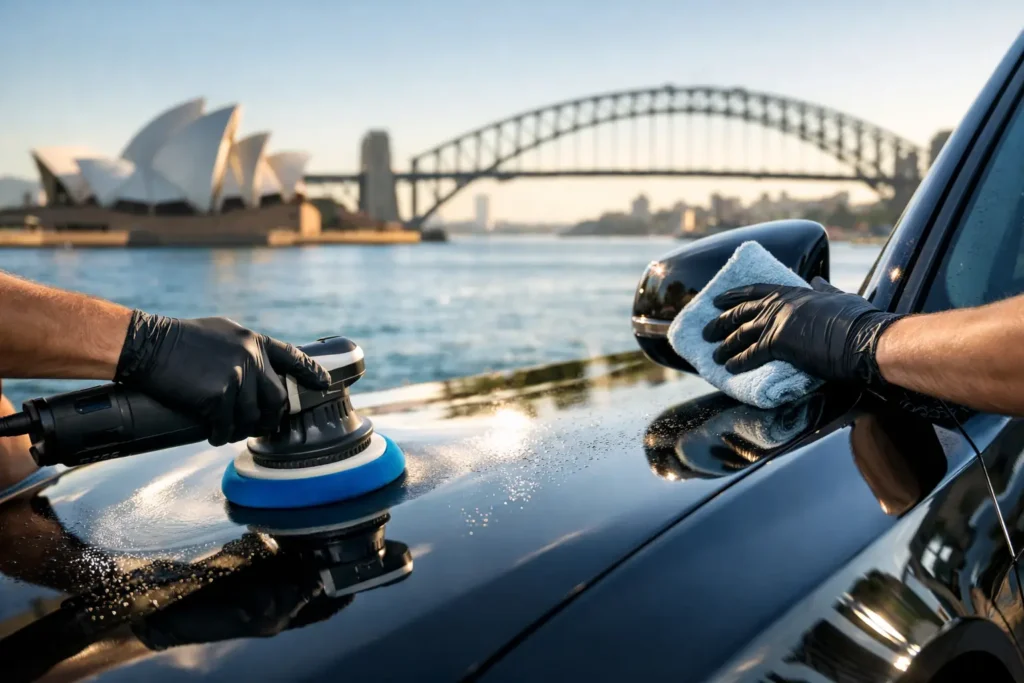
A car can look clean after a quick wash yet still carry the signs of daily use: bonded road film on the paint, brake dust around the wheels, sunscreen marks on the trim and crumbs working their way into the seats. So, how often should you detail a car? For most Sydney drivers, a professional detail every six to 12 months is a sensible baseline, supported by regular hand washing in between.
The right timing depends less on the calendar than on how your vehicle is used, where it is parked and the standard you want to maintain. A family SUV doing school runs, a rideshare vehicle carrying passengers every day and a weekend car kept under cover all need a different level of care.
How Often Should You Detail a Car?
For a typical daily driver, plan for a professional mini detail every six months and a more comprehensive detail once a year. This gives the paintwork, wheels, interior and high-touch areas the care they deserve before grime has time to become difficult to remove.
If your car is exposed to harsher conditions, every three to six months may be the better choice. Sydney vehicles can deal with strong sun, coastal salt in some areas, tree sap, bird droppings, construction dust and busy-road contamination. Left sitting on the surface, these contaminants can dull the finish and make a simple wash less effective.
Owners who take pride in a showroom-style presentation may choose quarterly detailing. That is not excessive when a vehicle is driven often, parked outdoors or used for work. Regular professional care is generally easier on the car than waiting until the interior is heavily soiled or the paint has lost its clarity.
At the other end of the scale, a lightly used car stored in a garage may only need a full detail every 12 months. It should still receive routine maintenance washes, particularly after rain, long drives or exposure to bird droppings and tree debris.
Your Driving Habits Set the Schedule
A detail is not simply a more expensive wash. It is a deeper reset that addresses the areas a quick clean cannot fully restore, including embedded grime, interior build-up, wheel contamination, faded-looking trim and paintwork that no longer reflects light cleanly.
Daily drivers and commuter cars
Cars used five or more days a week benefit from a detail every six months. Commuting through inner-west traffic means dust, road film and brake residue build up quickly, especially around lower panels and wheels. Regular detailing keeps these surfaces easier to maintain and helps the vehicle continue to look cared for between appointments.
If your car is parked on the street, consider moving to a three- to four-month cycle during periods of heavy tree debris, hot weather or frequent rain. Parking under trees may offer shade, but sap, pollen and bird droppings can cause more harm than many owners realise.
Family cars and SUVs
Family vehicles often need interior detailing more frequently than exterior detailing. Food spills, sand, pet hair, muddy shoes and sports gear can quickly affect carpets, seats and the boot area. A professional interior refresh every three to six months is worthwhile for busy households, while a complete detail every six to 12 months helps maintain the whole vehicle.
The practical benefit is comfort as much as appearance. A clean cabin feels better on the school run, makes long trips more pleasant and prevents small spills from turning into persistent odours or stains.
Rideshare, business and commercial vehicles
Vehicles used to carry customers, clients, tools or stock should be detailed every three to six months, with frequent maintenance washes in between. Presentation is part of the service when passengers or clients step inside your car. Clean seats, fresh carpets, clear glass and tidy door jambs communicate care before a word is spoken.
For work vehicles, the schedule may need to be even tighter if they regularly travel through construction areas, carry equipment or spend long hours on the road. A ute, van or SUV can remain practical while still looking professional.
Enthusiast and prestige vehicles
An enthusiast vehicle may be driven less often, but it deserves careful attention. Premium paint finishes, dark colours and polished trim show swirl marks, dust and water spotting quickly. A gentle hand wash every few weeks, followed by a professional detail every six to 12 months, is usually a better approach than relying on an automated wash.
The goal is not to overwork the paint. It is to clean it safely, protect it properly and preserve the crisp finish that makes the car enjoyable to own.
Signs Your Car Is Due for a Detail
The calendar provides a useful guide, but the condition of your vehicle tells the real story. If the paint looks flat even after washing, water no longer beads or sheets cleanly, or the wheels remain grimy after a normal clean, it is likely time for deeper care.
Inside, look for dull dash surfaces, sticky cupholders, marks on door trims, embedded pet hair, lingering smells or carpets that no longer look fresh after vacuuming. These are not signs that you have neglected your car. They are simply evidence that everyday use has outpaced routine cleaning.
Pay attention to bird droppings, tree sap and bug residue. These should be removed as soon as practical rather than saved for the next detail. Their acidity or sticky residue can affect the finish, particularly when the car is sitting in the sun.
Detailing Works Best With Regular Hand Washing
A detail is most effective when it is part of a maintenance routine, not a once-a-year rescue mission. For most vehicles, a quality hand wash every two to four weeks keeps loose dirt, road film and contaminants from settling in. Cars driven daily, parked outside or used around dust and mud may need weekly or fortnightly washing.
This is where careful technique matters. Dirt dragged across paintwork can create fine marks, and harsh brushes or rushed automated cleaning can compromise the finish you are trying to protect. Professional hand washing uses controlled methods, quality products and attention around delicate areas such as badges, mirrors, wheels and trims.
A regular wash also makes your detail last longer. The interior remains easier to manage, protective products perform more consistently and the paint retains a brighter, cleaner appearance. In practical terms, maintaining a clean vehicle is usually more cost-effective than repeatedly correcting heavy build-up.
Choose the Right Level of Detail
Not every appointment needs to be a complete transformation. If your car is maintained well but needs an uplift, a mini detail can be the right choice. It is particularly useful before a special event, a change of season, a road trip or when the interior needs a professional refresh.
A more comprehensive detail suits vehicles that have been neglected, are being prepared for sale or have spent months exposed to weather and daily traffic. It is also a smart choice after buying a used car, when you want to start ownership with a clean, fresh baseline.
There is a trade-off to consider. Detailing too rarely allows grime and staining to settle, requiring more intensive work later. Detailing more frequently keeps the car in excellent condition, but may not be necessary for a garaged vehicle that is only driven occasionally. The best schedule is one that matches your use and gives your vehicle consistent, paint-safe care.
A Sensible Year-Round Car Care Plan
For many owners, the simplest approach is a hand wash every two to four weeks, an interior refresh as needed, a mini detail every six months and a comprehensive detail annually. Adjust that plan upward if your car works hard, lives outdoors or needs to make a strong impression for family, business or passenger use.
Premium Car Wash in Enfield provides premium hand washing and professional detailing for vehicles that need more than a quick clean. Whether your car needs routine maintenance or a complete refresh, regular care protects its presentation and makes every drive feel that little bit better.