
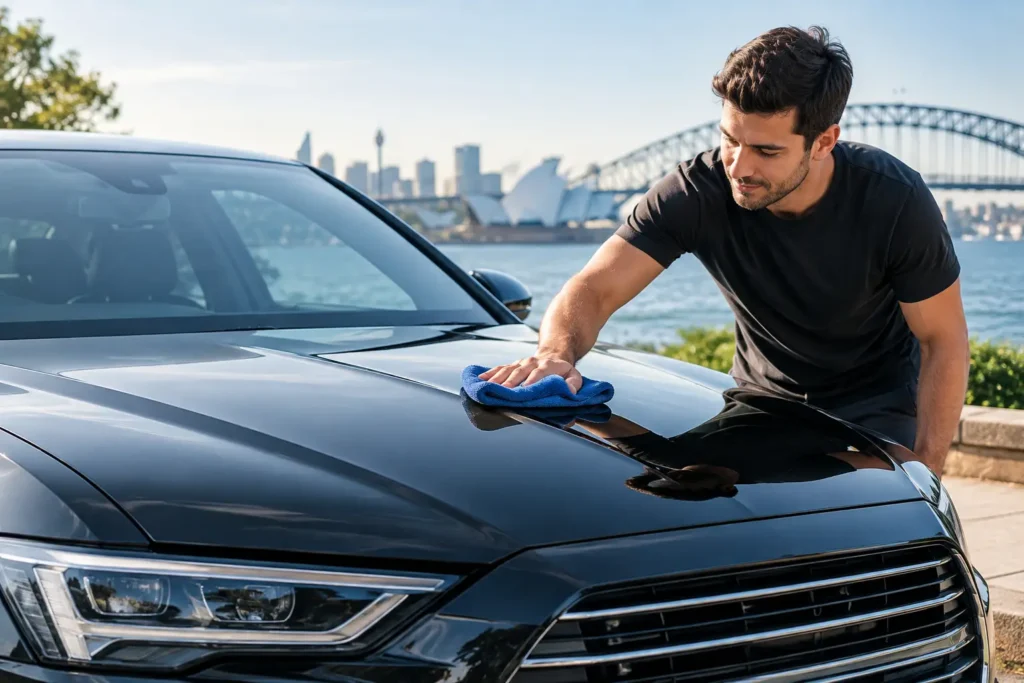
A glossy car is not created by a single wash. It is the result of small, consistent choices: how dirt is removed, where the car is parked, what touches the paintwork and how quickly contaminants are dealt with. The best ways to preserve car shine are less about chasing a temporary wet-look finish and more about protecting the clear coat that gives your vehicle its depth, colour and reflection.
For Sydney drivers, that matters year-round. Harsh sun, road grime, tree sap, coastal air, bird droppings and daily parking all take their toll. Whether you drive a family SUV, a work ute or a carefully maintained weekend car, the right routine keeps it looking polished between professional cleans.
Start with scratch-safe hand washing
Most dull paint is not simply dirty. It is covered in fine wash marks and light scratches that scatter light instead of reflecting it cleanly. These marks often build up through hurried washing, dirty sponges, reused water and automated brushes that have already collected grit from other vehicles.
A careful hand wash is the foundation of lasting shine. The vehicle should be rinsed first to lift loose dust and grit, then cleaned with a quality car shampoo and soft wash media. Washing from the top down helps prevent heavier grime from the lower panels being dragged across cleaner paintwork. Wheels and tyres should be handled separately, as brake dust and road debris are too abrasive for the same tools used on painted surfaces.
The drying stage deserves just as much care. Allowing water to dry in direct sun can leave mineral spots, while rough or unclean towels can create swirl marks. Use clean, high-quality microfibre drying towels, pat or glide them gently across the surface, and avoid wiping a dusty car dry. If it has not been washed, it should not be rubbed.
For owners who want dependable results without the risk of a rushed wash, 100% scratch-free hand car care is a worthwhile investment. The difference is visible in bright sunlight, when a properly maintained finish stays clear rather than hazy.
Protect the paint, not just the appearance
Washing removes the grime that masks shine, but protection helps keep contaminants from bonding to the paintwork in the first place. Wax, sealant and ceramic-style protection all serve a purpose, although the right option depends on the vehicle, its use and the level of maintenance you are prepared to keep up.
A quality wax can give paint a warm, rich gloss, particularly on darker colours, but it generally needs more regular reapplication. A paint sealant usually lasts longer and offers strong protection for daily drivers exposed to weather and regular road use. Longer-lasting ceramic protection can make cleaning easier and improve water beading, but it is not a licence to neglect washing. Dirt, water spots and bird droppings can still damage a coated vehicle if left sitting on the surface.
The practical approach is to choose protection that suits your routine. If your car lives outdoors and gets used every day, consistent sealant or professional protection may be more useful than an occasional wax. If it is a cherished vehicle garaged most of the week, a carefully applied wax may provide the finish you enjoy. In both cases, correct preparation matters. Protection applied over embedded contamination or dull paint may improve water beading, but it cannot fully restore clarity.
Keep water spots under control
Water spots are easy to underestimate. Rainwater, sprinkler water and wash water can leave minerals behind as they dry, particularly on dark paint and glass. In Sydney’s warmer months, those marks can become stubborn quickly.
Whenever possible, wash and dry the vehicle in a shaded area or during cooler parts of the day. If the car gets caught in a sprinkler, rinse it as soon as practical rather than waiting for the next weekly wash. A protected surface will be easier to clean, but prompt attention is still the best defence.
Remove contaminants before they mark the clear coat
Some of the biggest threats to shine are the things drivers see but postpone dealing with. Bird droppings, tree sap, insects, fuel splashes and industrial fallout can etch or stain paint when left in place. This is especially true when the car is parked in heat, as the surface becomes warmer and contaminants can bake on.
Keep a clean microfibre cloth and a suitable quick-clean product in the boot for small incidents. The aim is not to scrub the affected area aggressively. Soften and lift the contamination gently, then arrange a proper wash when you can. Dry rubbing is one of the quickest ways to turn a small mark into a larger scratch.
Tree cover also comes with a trade-off. It can protect the vehicle from direct sun, yet it may expose the paint to sap, leaves and bird droppings. If you regularly park beneath trees, check the bonnet, roof and boot lid more often. A few seconds of attention can prevent a far more involved paint correction later.
Make smart choices about parking and storage
Where your vehicle spends its downtime has a genuine effect on its finish. Covered parking is ideal, particularly during extended periods of hot weather. UV exposure gradually weakens paintwork and can leave trim looking faded, while intense heat accelerates the impact of contaminants on the surface.
A garage or carport is the best option, but not every household has one. In that case, seek shade where practical without relying on messy trees, and consider a breathable fitted car cover if the vehicle will be parked for an extended period. Never place a cover over a dirty car. Dust caught underneath can move against the paint in wind and cause fine scratches.
Be mindful in shopping centre and street parking too. Tight spaces increase the chance of door marks, trolley scuffs and careless contact. Parking a little further away can be a simple way to protect both the shine and the bodywork.
Do not let interiors and wheels undermine the finish
A well-kept exterior looks better when the entire vehicle presents properly. Dull tyres, brake-dust-covered wheels and cloudy glass can make freshly polished paint seem less impressive. Regular wheel cleaning also protects wheel finishes from corrosive brake dust, which is harder to remove once it has been left to bake on.
Inside, vacuuming sand and grit from mats and cleaning spills promptly preserves the same feeling of care. This is particularly valuable for family cars, rideshare vehicles and commercial vehicles, where the cabin is used hard and often. A clean, fresh interior supports the pride you get from a shining exterior and helps maintain resale appeal.
Know when polishing is the right next step
Even a well-maintained vehicle can develop fine swirls, light oxidation and dullness over time. When washing and protection no longer bring back the gloss you expect, professional polishing may be the right answer. Polishing carefully refines the paint surface to improve clarity and reflection before it is protected.
It is not something to overdo. Paint correction removes a very fine amount of material, so it should be assessed and carried out with care rather than treated as a routine shortcut. For a newer vehicle with light marks, a gentle enhancement may be enough. For an older car that has been through automated washes or years of outdoor parking, a more detailed approach may be appropriate.
Set a maintenance rhythm you can actually keep
A perfect detailing schedule is not useful if it does not fit real life. Most daily-driven cars benefit from regular hand washing before grime becomes embedded, with protection refreshed according to the product used and the conditions the vehicle faces. Cars parked outside, travelling long distances or carrying children, pets or work equipment may need attention more often.
Think of professional detailing as a reset, not a replacement for ongoing care. A premium wash keeps the surface clean and presentable; periodic polishing and protective treatments help maintain the deeper showroom-style finish. At Premium Car Wash in Enfield, this approach gives drivers practical maintenance options alongside more comprehensive detailing when their vehicle needs the care it deserves.
The shine you notice when walking back to your car is worth protecting. Treat the paintwork gently, respond quickly to contaminants and keep a realistic care routine, and that clean, confident finish will last far beyond wash day.