
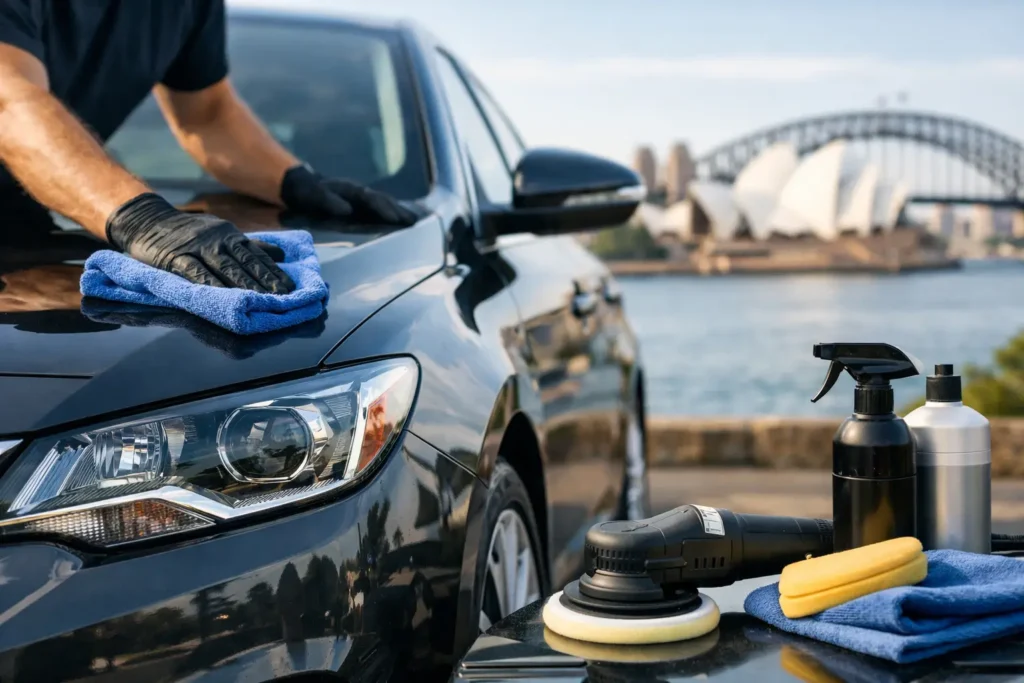
A buyer may forgive an older build year or higher kilometres. They are far less likely to forgive sticky cup holders, pet hair in the boot, cloudy paint or a smell that hits them as soon as the door opens. This car detailing before selling guide helps Sydney owners spend wisely on presentation, so their vehicle looks cared for rather than simply cleaned for inspection day.
The goal is not to disguise faults or turn a well-used daily driver into a concours car. It is to remove the visual and sensory distractions that make buyers wonder how the car has been treated. A clean, fresh and well-presented vehicle supports a confident asking price, creates better listing photos and makes every viewing easier.
Why detailing can change the sale conversation
Used-car buyers make quick judgments. Before they inspect service records, check tyre wear or arrange a mechanical assessment, they notice the paintwork, wheels, seats and smell. Presentation sets the tone for everything that follows.
A professionally detailed car communicates routine care. It can help buyers focus on the car’s genuine strengths – whether that is a tidy service history, low kilometres, a practical family layout or a well-equipped ute – instead of small cosmetic issues created by everyday use.
Detailing does not guarantee a higher sale price, and it cannot make up for mechanical faults, worn tyres or missing paperwork. Its value depends on the vehicle, its condition and how you plan to sell it. For a newer vehicle, a quality clean and paint enhancement may protect the premium appearance buyers expect. For an older car, a thorough interior and exterior refresh can be enough to make it feel honest, cared for and ready for its next owner.
Start with an honest condition check
Before booking a service or buying cleaning products, walk around the vehicle in daylight. Look at it as a buyer would, not as someone who sees it every day. Check the paint for road film, tree sap, bird droppings, water spots and light marks. Inspect the wheels, tyres, glass, door jambs and badges. Then sit in every seat and look for dust, crumbs, stains, pet hair, odours and clutter.
This check helps you separate detailing work from repairs. A detailer can improve surface grime, light contamination and general presentation. Deep scratches, dented panels, cracked trim, peeling clear coat, damaged alloy wheels and warning lights need a different solution. Be upfront about those items in your advertising rather than hoping a shiny exterior will hide them.
It is also worth checking the small areas buyers often notice at close range: the steering wheel, gear selector, buttons, cup holders, seat belts, sun visors and inside of the windscreen. These touchpoints have an outsized effect on whether a cabin feels clean.
Car detailing before selling: where to spend first
For most private sales, the strongest return comes from a complete exterior hand wash and a proper interior clean. Hand washing is particularly valuable when paintwork needs care, as rushed or abrasive methods can add fine scratches just when you want the finish to look its best.
The exterior should be free of road grime, brake dust, bug residue and dull film. Clean glass matters more than many owners realise, especially for listing photos taken outdoors. Wheels and tyres should look neat, but avoid overly glossy tyre dressings that can appear artificial or transfer onto driveways. Clean door jambs and a tidy fuel flap area reinforce the impression that attention has been paid beyond the obvious panels.
Inside, remove every personal item before the appointment. Empty the glove box, centre console, door pockets and boot, and take out child seats if they are not included with the car. Vacuuming alone is rarely enough. Fabric seats and carpets may need stain treatment, while leather benefits from suitable cleaning and conditioning. A professional interior clean should leave surfaces fresh and natural-looking, not slippery or coated in strong fragrance.
For cars with light swirl marks, dull paint or a tired finish, a showroom-style polish can lift gloss and improve the way the vehicle photographs. This is often worthwhile for late-model cars, prestige vehicles and well-maintained enthusiast cars. It is less sensible to chase perfection on heavily weathered paintwork where the cost will not match the likely sale return. Ask for an assessment based on the car in front of you, rather than assuming every vehicle needs the same package.
Odours and pet hair deserve priority
A lingering smell can derail an otherwise good inspection. Smoke, dampness, food spills and pet odours quickly suggest neglect, even if the mechanical condition is sound. Air freshener is not a solution if it merely covers the problem. The source needs to be cleaned, whether it is a spill in the carpet, pet hair lodged in upholstery or moisture trapped under floor mats.
Pet hair is another task that is easy to underestimate. It collects in carpet fibres, seat rails and the joins between rear seats and trim. A proper removal process takes time, but it is especially worthwhile for family SUVs and vehicles that have carried dogs regularly. Buyers with allergies, young children or their own pets will notice the difference.
If there is evidence of water ingress, mould or a persistent musty smell, address the cause before sale. A clean interior that develops the same odour a day later will only create more questions at inspection.
Avoid the common presentation mistakes
Over-detailing can be as unhelpful as under-detailing. Strong fragrances, greasy dashboard shine and thick silicone on tyres may make buyers suspicious that something is being covered up. The best result looks clean, dry, fresh and believable.
Do not use household cleaners on screens, leather, instrument clusters or painted surfaces. They can leave haze, damage coatings or create shiny patches. Likewise, avoid a quick automated wash immediately before photos if it risks adding fine marks to the paint. Scratch-free hand car care preserves the finish while still delivering the visible lift buyers want.
There is also no benefit in detailing before you have completed repairs that create dust, debris or new marks. If you plan to replace a windscreen, repair a dent or fix a leaking seal, organise that first. Detail close to the time you photograph and list the car, then keep it sheltered and avoid unnecessary trips until viewings begin.
Prepare for photos and inspections
Book your detail one or two days before taking listing photos where possible. Choose a clean, uncluttered location with even daylight. Photograph the front, rear, both sides, wheels, cabin, dashboard, rear seats, boot and any key features. A freshly cleaned car allows buyers to see its condition clearly, which can reduce time-wasting enquiries.
For viewings, keep a microfibre cloth in the car for fingerprints on glass and remove new rubbish after each trip. Check floor mats, cup holders and the boot before every inspection. If you have service books, spare keys, registration documents and receipts for recent work, organise them neatly. Good presentation and good records work together: one builds first impressions, the other backs them up.
Choosing the right level of professional care
The right package depends on the starting condition and the vehicle’s value. A regularly maintained car may only need a premium hand wash, wheel clean, interior vacuum and glass clean before photos. A family car with food spills, beach sand or pet hair usually benefits from a more intensive interior service. A vehicle with dull paint and light surface marks may justify a mini detail or polishing work to restore a more polished appearance.
At Premium Car Wash in Enfield, a Premium Deluxe Hand Car Wash starts from $49, a Premium Foam Wash from $65, and a Premium Mini Detail from $145. An in-person condition check is the practical way to decide what will make a genuine difference, without paying for work your car does not need.
A clean car will not replace fair pricing, transparent disclosures or proper maintenance. It does give your vehicle the care it deserves at the moment buyers are deciding whether to take the next step. Present it honestly, keep it fresh between inspections, and let its condition speak clearly.
Pingback: Is Detailing Worthwhile for Your Sydney Car? - Premium Car Wash